
Ultimate Longevity Routine: A Healthy Routine for Each Time of Day
Longevity isn't luck. It's a lifestyle. Use this science-backed, hour-by-hour guide to support healthy aging every day.
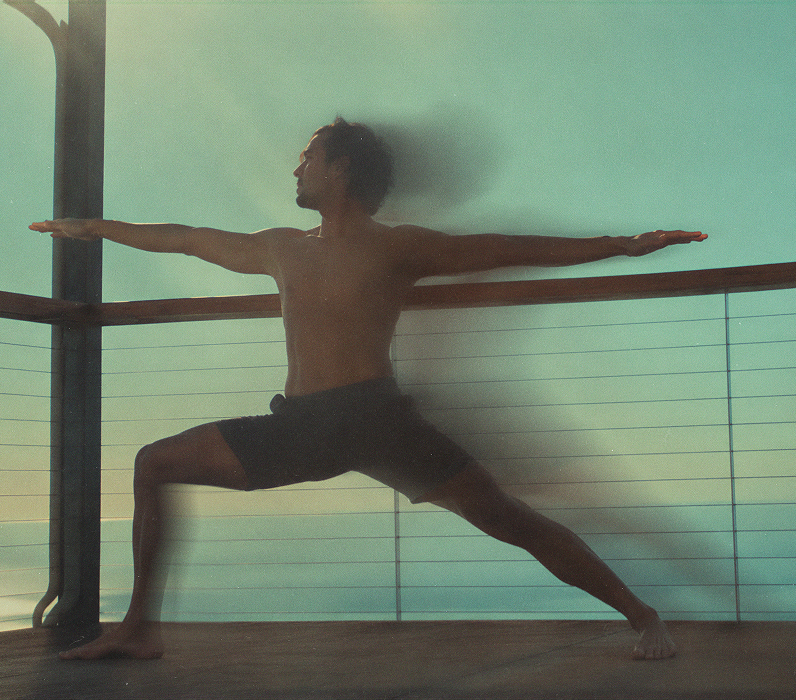
Early Morning (Wake Up - 7:00 AM)
Set your alarm and stick to it. A consistent wake-up time matters more than sleep duration for longevity.
- Sunlight. Incorporate light into your healthy morning routine. Ten minutes outside within the first hour of waking helps anchor your internal clock and promotes stress reduction throughout the day.¹
- Stretching. Gentle muscle strengthening exercises and movement early in the day has been shown to decrease concentrations of cortisol, the body's primary stress hormone.²
- Hydration. A large glass of water as part of a morning routine for health supports hydration and nutrient transport throughout the body.
- Foundational supplements. Your morning stack can include a multivitamin, probiotic, and cellular energy support from NAD+ to help fuel your body throughout the day.*
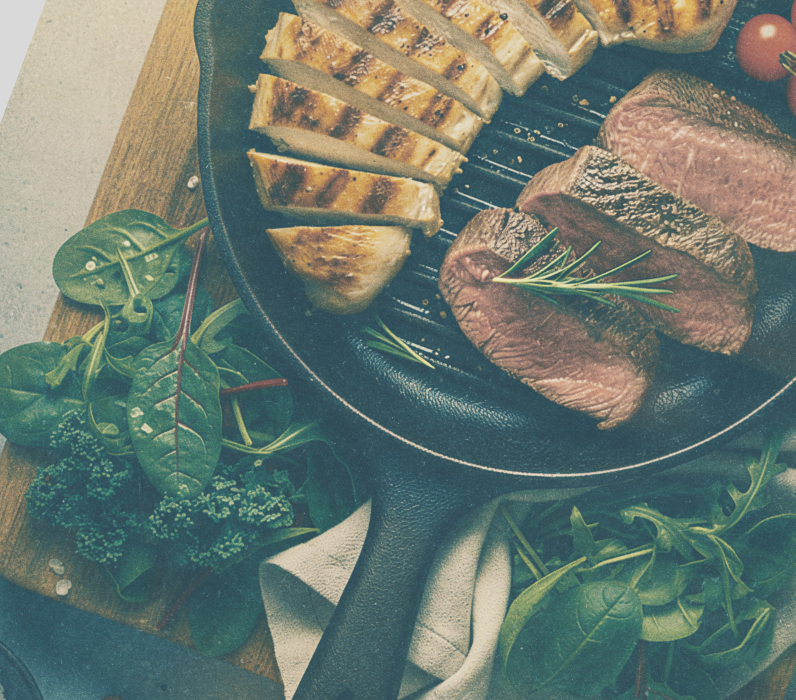
Mid-Day (10:00 AM - 3:00 PM)
Mid-day nutrition, caffeine, and stress management habits make or break your routine.
- Nutrient dense diet. A lunch with adequate protein and fiber influences satiety, blood sugar stability, and cognitive performance throughout the day.³
- Stress reduction techniques. Breathing exercises stimulate the parasympathetic nervous system, decreasing stress hormone levels. ⁴
- Strategic caffeine cutoff. Caffeine has a half-life of roughly five hours. Consuming it too late in the day can interfere with restorative sleep.⁵
- Relaxation support. Help regulate the body’s stress response system and support relaxation with StressMag.*
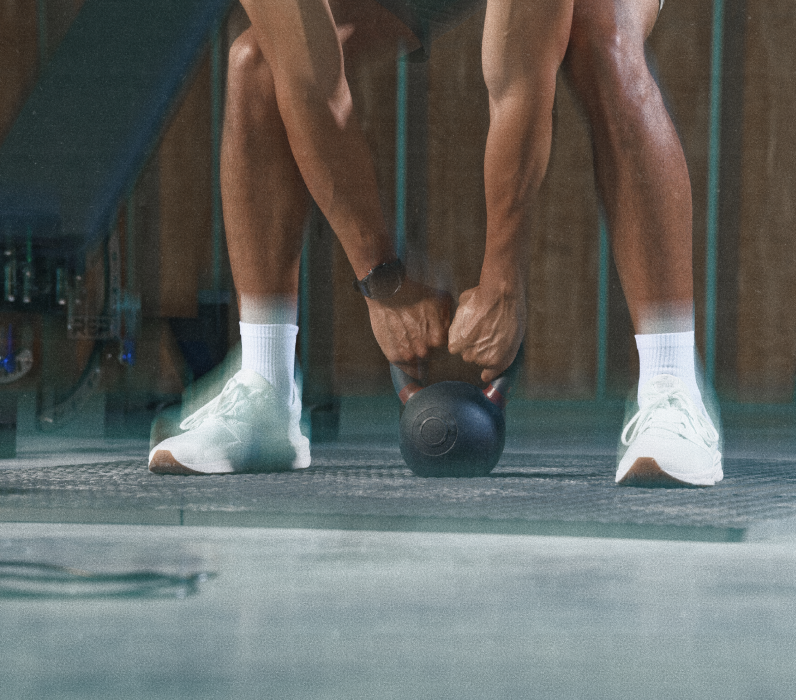
Afternoon Workout (4:00 - 6:00 PM)
Build your afternoon around your workout. Moderate-intensity aerobic activities and targeted strength training are some of the best exercises for longevity.
- Outdoor exercise. A Zone 2 jog or sprint session helps burn off residual stress hormones from the day.⁶ Late afternoon sun exposure helps the body produce vitamin D.
- Progressive Overload Training. Gradually increasing the stress placed on your body during exercise helps build muscle strength and bone density over time.⁷
- Protein-rich snack. For optimal recovery, use the 15-30-45 formula. Consume 15–30 grams of protein within 45 minutes of working out.
- Pre and post-workout supplements. Before working out, take PEAK ATP® for caffeine-free support for exercise.* After training, support electrolyte balance with ActiveMag.* Then, add Creatine + MBP® to your favorite beverage to support bones and muscles while hydrating.*

Evening Wind-Down (7:00 PM - 10:00 PM)
Evening is when your body recovers from the day and recharges for tomorrow.
- Plant-based dinner. A lighter meal featuring plant-based proteins like lentils plus fiber from leafy greens helps your digestive system prepare to rest.
- Technology wind-down. Removing stimulating content 1-2 hours before bedtime allows your nervous system to transition into rest mode.⁸
- Supplement with glutathione. Overnight, the brain clears metabolic waste and restores healthy function.⁹ Supplementing with glutathione before bed supports the body’s natural detoxification process and free radical inactivation.*
- End the day with magnesium. Magnesium has been shown to support relaxation, muscles, bones, and heart health—all essential components of longevity.*
- Roenneberg T, Merrow M. The Circadian Clock and Human Health. Curr Biol. 2016;26(10):R432-R443.
- De Nys, L., Anderson, K., Ofosu, E.F., Ryde, G.C., Connelly, J., & Whittaker, A.C. (2022). The effects of physical activity on cortisol and sleep: A systematic review and meta-analysis. Psychoneuroendocrinology, 143, 105843.
- Wu, S., Jia, W., He, H., Yin, J., Xu, H., He, C., Zhang, Q., Peng, Y., & Cheng, R. (2023). A New Dietary Fiber Can Enhance Satiety and Reduce Postprandial Blood Glucose in Healthy Adults: A Randomized Cross-Over Trial. Nutrients, 15(21), 4569.
- Laborde, S., et al. (2024). The Effect of Slow-Paced Breathing on Cardiovascular and Psychological Health. Mindfulness.
- Drake, C., Roehrs, T., Shambroom, J., & Roth, T. (2013). Caffeine effects on sleep taken 0, 3, or 6 hours before going to bed. Journal of Clinical Sleep Medicine, 9(11), 1195–1200.
- Moyers, S.A., & Hagger, M.S. (2023). Physical activity and cortisol regulation: A meta-analysis. Biological Psychology, 179, 108548.
- “5 Post-Workout Snacks for Muscle Building and Energy” Abbott Nutrition News. nutritionnews.abbott/lifestyle-nutrition/active-lifestyle/5-post-workout-snacks.
- Hartstein, L.E., Mathew, G.M., Reichenberger, D.A., et al. (2024). The impact of screen use on sleep health across the lifespan: A National Sleep Foundation consensus statement. Sleep Health, 10(4), 373–384.
- Hauglund, N. L., & Nedergaard, M. (2026). Is glymphatic clearance the secret to restorative sleep? Brain, 149(6), 1819–1831.
*These statements have not been evaluated by the Food and Drug Administration. These products are not intended to diagnose, treat, cure or prevent any disease.
Invalid password
Enter