Access Denied
IMPORTANT! If you’re a store owner, please make sure you have Customer accounts enabled in your Store Admin, as you have customer based locks set up with EasyLockdown app. Enable Customer Accounts

Dietary Mistakes & Bad Habits for Longevity
Surprising Dietary Mistakes & Bad Habits That Age You

Fasting Mistakes That Backfire on Longevity
The metabolic promise of intermittent fasting has lasting benefits, but falls apart when fasting mistakes turn a powerful tool into a stressor. Don’t fall for these traps:
- Ignoring electrolytes: The body releases large amounts of salt and water during fasting in a process called diuresis, so hydrating with electrolytes is key.¹
- Taking BCAA during a fasting window: Branched-chain amino acids (BCAA) supplements may counteract the fasting effect.²
- Going too extreme: Fewer than 400–600 calories per day for two or more days per week may contribute to bone and muscle loss, which are key components of longevity.³,⁴
Unhealthy Eating Habits You Think Are “Healthy”
Many unhealthy eating habits have a convincing halo. Skip these stealthy unhealthy foods:
- Fat-free flavored yogurt: These are frequently loaded with added sugar and artificial thickeners to replace the missing fat.
- Fruit-heavy smoothies: Blending too much sweet fruit without protein can spike your blood glucose just as aggressively as a regular soda.⁵
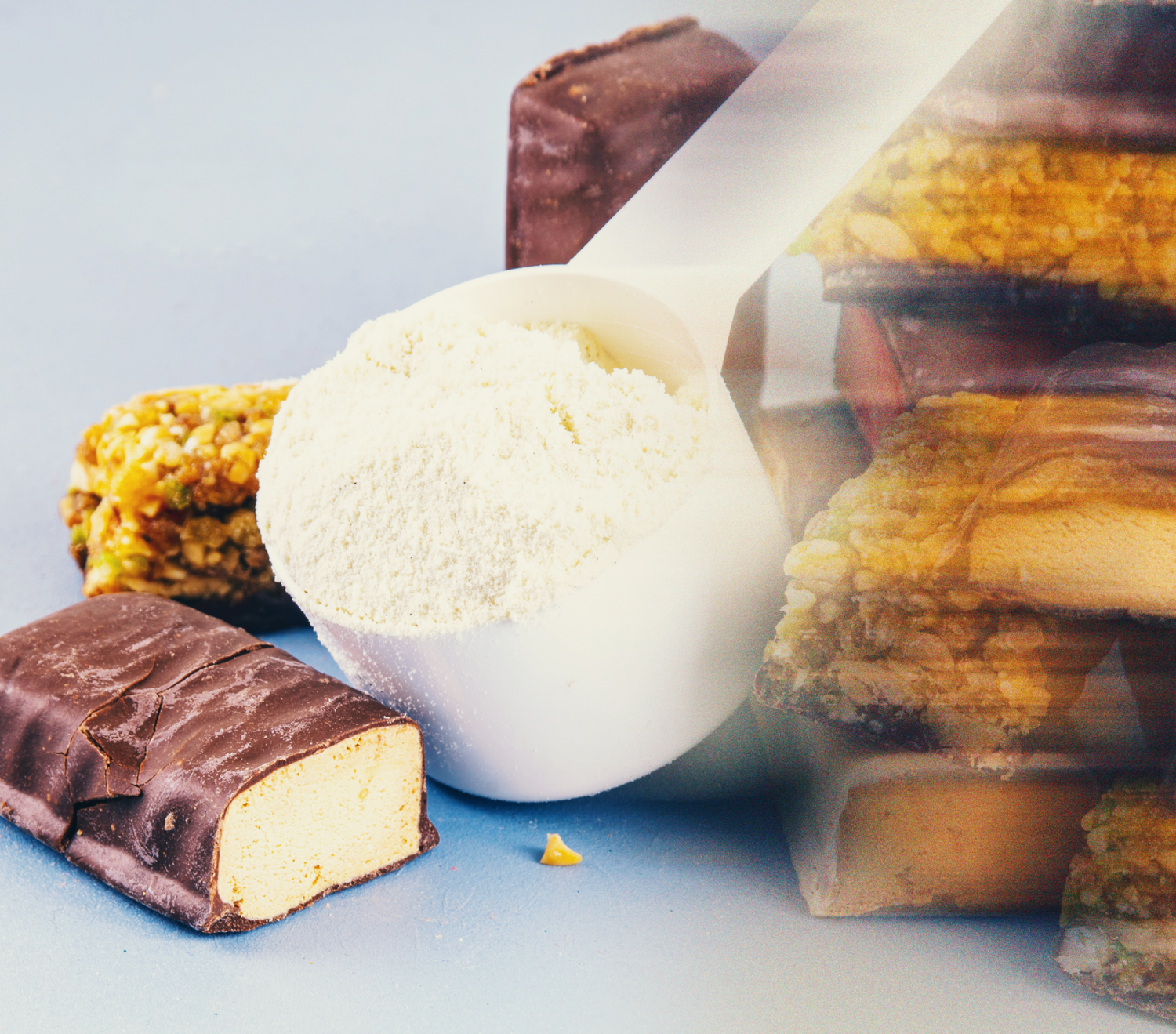
- Too many protein bars: Treating these as daily meal replacements often means consuming unwanted seed oils and sugar alcohols.

Muscle & Fitness Mistakes That Accelerate Aging
Research shows you’re losing muscle with age.⁶ And some of your "healthy" habits may be making it worse.
- Eating the same low-protein breakfast every day: Not varying your protein sources can limit you to a narrow range of nutrients, and not eating enough protein may contribute to age-related muscle loss, known as sarcopenia.⁶,⁷
- Stretching cold muscles: Static stretching before strength work increases your injury risk, which can set back daily exercise goals.
- Overtraining without recovery: Skipping deload periods leads to elevated cortisol, which can actually shorten your telomeres (repetitive DNA sequences that protect the ends of chromosomes) over time.⁸
Imprecise Supplements & the “Complicated Formula” Trap
Multi-ingredient supplement blends aren’t built for precision. Avoid these longevity supplement missteps:
- The complicated formula trap: Proprietary longevity blends may include a dozen ingredients you don’t really need, increasing the chances of side effects.
- Duplicate supplement risk: Complicated blends may duplicate ingredients in your multivitamin or other daily supplements, which can increase the risk of toxicity.
- Low‑dose bait-and-switch: Products that list 15 ingredients each at sub‑therapeutic levels don’t have the same impact as targeted supplements at clinically studied doses.
Skipping a Targeted Longevity Stack
Single-ingredient supplements let you dial in a targeted longevity regimen with no hidden extras. Don’t make these mistakes with your stack:
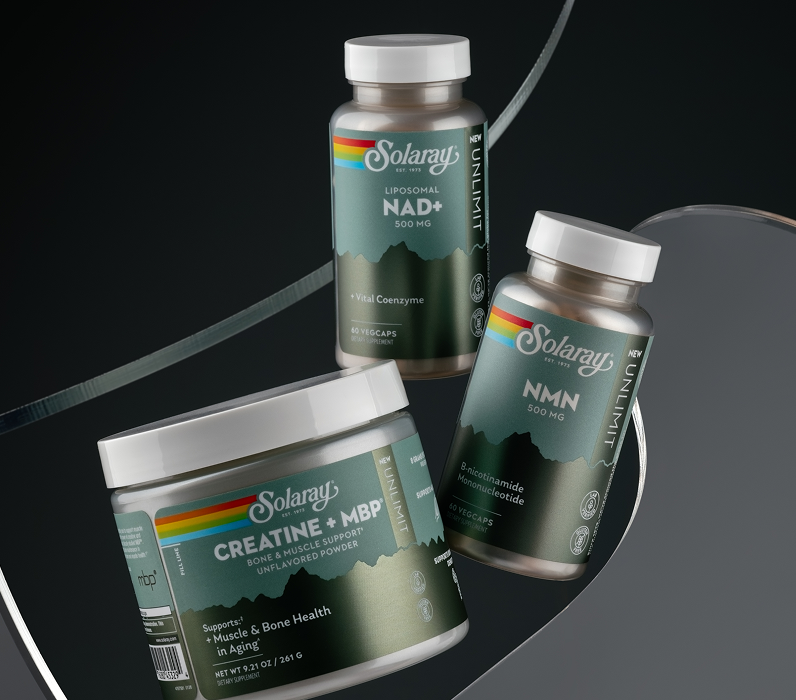
- Ignoring NAD+ levels: NAD+ mediates cell death and aging, but your levels of NAD+ decline every year.* UNLIMIT Liposomal NAD+, NMN, and NADH supplements help keep your levels steady.
- Neglecting bones and muscles: Bone strength and muscle mass are key indicators of longevity. Support them both with one daily powder that combines Creatine + MBP.Ⓡ†
- Forgetting Cellular Health: Cellular energy, autophagy, and DNA stabilization are essential for healthy aging. Glutathione helps neutralize daily oxidative stress that can cause cellular damage.* UNLIMIT Liposomal Glutathione is designed for optimal absorption.
†MBPⓇ is a registered trademark of Megmilk Snow Brand Co., Ltd.
*These statements have not been evaluated by the Food and Drug Administration. These products are not intended to diagnose, treat, cure or prevent any disease.
Resources
- Phillips M. C. L. (2019). Fasting as a Therapy in Neurological Disease. Nutrients, 11(10), 2501. https://doi.org/10.3390/nu11102501.
- “What are the best foods to break a fast with?” Medical News Today, medicalnewstoday.com/articles/what-to-eat-after-fasting.
- “Time to try intermittent fasting?” Harvard Health Publishing, health.harvard.edu/diet-and-nutrition/time-to-try-intermittent-fasting.
- Clayton DJ, Varley I, Papageorgiou M. (2023). Intermittent fasting and bone health: a bone of contention? Br J Nutr. 2023 Nov 14;130(9):1487-1499. doi: 10.1017/S0007114523000545.
- Greger, Michael. “Do Smoothies Cause Overly Rapid Sugar Absorption?” nutritionfacts.org/blog/do-smoothies-cause-overly-rapid-sugar-absorption
- Volpi, E., Nazemi, R., & Fujita, S. (2004). Muscle tissue changes with aging. Current opinion in clinical nutrition and metabolic care, 7(4), 405–410. https://doi.org/10.1097/01.mco.0000134362.76653.b2
- Verreijen, A. M., van den Helder, J., Streppel, M. T., Rotteveel, I., Heman, D., van Dronkelaar, C., Memelink, R. G., Engberink, M. F., Visser, M., Tieland, M., & Weijs, P. J. M. (2021). A higher protein intake at breakfast and lunch is associated with a higher total daily protein intake in older adults: a post-hoc cross-sectional analysis of four randomised controlled trials. Journal of human nutrition and dietetics : the official journal of the British Dietetic Association, 34(2), 384–394. https://doi.org/10.1111/jhn.12838
- Armstrong, L. E., Bergeron, M. F., Lee, E. C., Mershon, J. E., & Armstrong, E. M. (2022). Overtraining Syndrome as a Complex Systems Phenomenon. Frontiers in network physiology, 1, 794392. https://doi.org/10.3389/fnetp.2021.794392
*These statements have not been evaluated by the Food and Drug Administration. These products are not intended to diagnose, treat, cure or prevent any disease.
Invalid password
Enter